What to Do When Students Say You're Being Unfair
AskZac Editorial Team · July 22, 2026
- Classroom Management
- Teacher Fairness
- Student Behavior
- Student Accountability
- Classroom Expectations
- Teacher Strategies
- Professional Judgment
What to Do When Students Say You're Being Unfair
Know what to say. Know what to do.
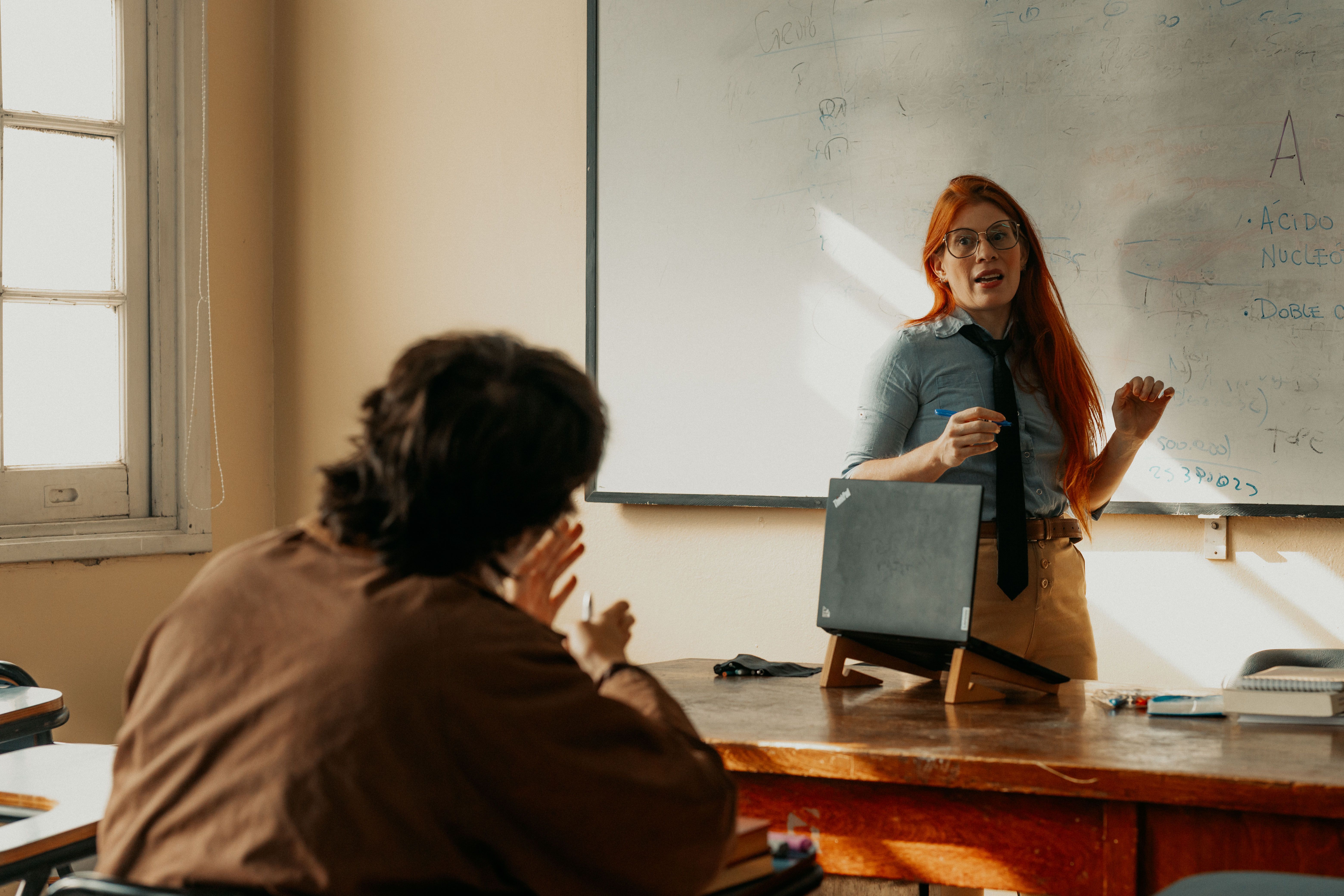
A teacher asks a student to move seats after repeated disruptions. Before the student even stands up, the student says, "That's not fair." Two classmates immediately nod in agreement. Within seconds, the conversation has shifted from classroom expectations to whether the teacher is treating students fairly.
Every teacher hears some version of this. Students complain about grades, consequences, group assignments, classroom jobs, late work policies, and participation expectations. The mistake many teachers make is believing they have to defend every decision in the moment. The better response is to slow the conversation down, understand what the student actually means, and decide whether you're dealing with disappointment, misunderstanding, or a concern that deserves a closer look.
Quick Answer
When students say you're being unfair, resist the urge to justify yourself immediately. First determine what they're comparing your decision to, then decide whether the concern reflects a misunderstanding, an emotional reaction, or a legitimate inconsistency. Your goal is not to convince every student that your decision was perfect. Your goal is to build confidence that your classroom is thoughtful, consistent, and respectful.
What Does "Unfair" Actually Mean?
Students rarely define fairness the same way adults do. For one student, fairness means everyone receives the same consequence. For another, it means getting another chance because someone else received one last week. Others simply use the word because they're frustrated with an outcome they didn't want.
Before explaining your decision, ask a simple question.
"Help me understand what feels unfair."
That question communicates that you're willing to listen without immediately agreeing. It also gives you valuable information before deciding how to respond.
Sometimes Students Are Pointing Out Something Real
Teachers spend hundreds of hours making decisions every year. No one makes every one of those decisions perfectly. Students notice patterns that teachers sometimes miss because they're watching the classroom from a different perspective than the adult leading it.
If several students raise similar concerns over time, don't dismiss them automatically. Ask yourself an honest question: If I watched a recording of today's lesson tonight, would I still make the same decisions? That kind of reflection strengthens professional judgment rather than weakening authority.
Fair Doesn't Always Mean Equal
Students often assume fairness means everyone should receive exactly the same treatment. Schools don't work that way because students don't arrive with the same needs, skills, or circumstances. Providing identical support to every student isn't always fair, and providing different support isn't automatically favoritism.
Smart Email by AskZac
Need to email a parent about students say you're being unfair?
AskZac's Smart Email can help you draft a calm, professional message that explains what happened without escalating the situation.
Don't let the wrong email undo the right decision.
Try Smart EmailSmart Email helps educators write clear, professional emails to parents, administrators, and colleagues directly inside Gmail.

Teachers also carry responsibilities that students cannot always see. An accommodation, behavior plan, medical need, or family circumstance may influence a decision, even though those details are confidential. Students don't need every explanation to know they're being treated with respect.
Why Privacy Can Look Unfair
A student notices that a classmate receives extra time on a test or isn't assigned the same consequence. They naturally compare the two situations and conclude the teacher has different rules for different people. From their perspective, the complaint makes sense because they're missing information they aren't entitled to know.
Instead of explaining another student's situation, keep the focus on your conversation. You might say, "I'm happy to explain my decision with you, but I won't discuss another student's circumstances." Protecting privacy isn't avoiding the question. It's treating every student's personal information with the same care.
Don't Let the Fairness Debate Replace the Original Issue
A student interrupts instruction repeatedly. You redirect the behavior, and the student responds, "You're always picking on me. This isn't fair." If the next five minutes become a debate about fairness, the original issue has disappeared.
Acknowledge the concern without abandoning the conversation that needs to happen. You might respond, "I'm willing to talk about that after class. Right now, we're going to finish what we were discussing." Good teachers don't ignore fairness concerns, but they also don't allow those concerns to derail instruction.
Being Heard Is Different From Getting Your Way
Students often become less emotional once they believe an adult has genuinely listened to them. Listening doesn't require changing your decision, apologizing unnecessarily, or allowing students to negotiate every classroom expectation. It simply means treating their concern with respect before moving forward.
Many disagreements end more productively when students feel heard. They may still disagree with the outcome, but they leave believing the teacher took them seriously instead of dismissing them.
Teach Students Better Ways to Disagree
Complaining that something is unfair rarely leads to a productive conversation. Students benefit from learning language that expresses disagreement respectfully, inviting discussion rather than conflict. Those communication skills will serve them long after they leave your classroom.
Teach students phrases such as, "Can you explain your decision?" "Can we talk after class?" or "I don't understand why this happened." Those questions open doors to conversation instead of creating power struggles.
Look for Patterns
If one student frequently claims you're being unfair, document the situations objectively. Record what happened, what decision you made, how the student responded, and whether similar concerns continue across different situations. Those notes become valuable if you need to work with families, counselors, or administrators.
Patterns also help teachers evaluate their own consistency. If the same concern keeps appearing, your documentation may reveal habits you hadn't noticed during instruction.
Professional Judgment Means Welcoming Reflection
The strongest teachers don't assume every fairness complaint is manipulation, and they don't assume every complaint is justified. They investigate before deciding. Sometimes students simply dislike a consequence, and sometimes they identify an inconsistency worth correcting.
The next time you hear, "That's not fair," resist the urge to defend yourself immediately. Listen carefully, think deliberately, and respond in a way that protects student dignity while maintaining classroom expectations. Students may not agree with every decision you make, but they'll learn to trust a teacher who is willing to listen, reflect, and lead with consistency.
Frequently Asked Questions
What should I say when a student says I'm being unfair?
Start by asking what feels unfair to the student instead of immediately defending your decision. That response helps you determine whether you're addressing a misunderstanding, disappointment, or a concern that deserves further discussion. If the conversation begins disrupting instruction, let the student know you'll continue it privately after class.
What if other students agree that I'm being unfair?
Take the concern seriously without assuming the students are correct or incorrect. Reflect on your decision, compare it to how you've handled similar situations, and consider whether a pattern exists. If your decision was appropriate, explain your expectations calmly and continue teaching without turning the classroom into a debate.
You May Also Be Facing One of These Situations
- What to Do When a Student Lies to You
- What to Do When a Student Walks Out of Class
- What to Do When Students Stop Responding to Classroom Consequences
- What to Do When a Student Refuses to Participate
- How to Stop Students From Calling Out Without Discouraging Participation
Before reacting to a difficult classroom situation, let AskZac check it first. AskZac helps educators think through challenging moments by providing practical guidance on what to say, what to do, what to document, and what to try next. Visit AskZacAI.com for educator-specific guidance built by experienced educators for real classrooms.