What to Do When a Student Walks Out of Class
AskZac Editorial Team · July 20, 2026
- Classroom Management
- Student Behavior
- School Safety
- Behavior Intervention
- Student Accountability
- Teacher Strategies
- Professional Judgment
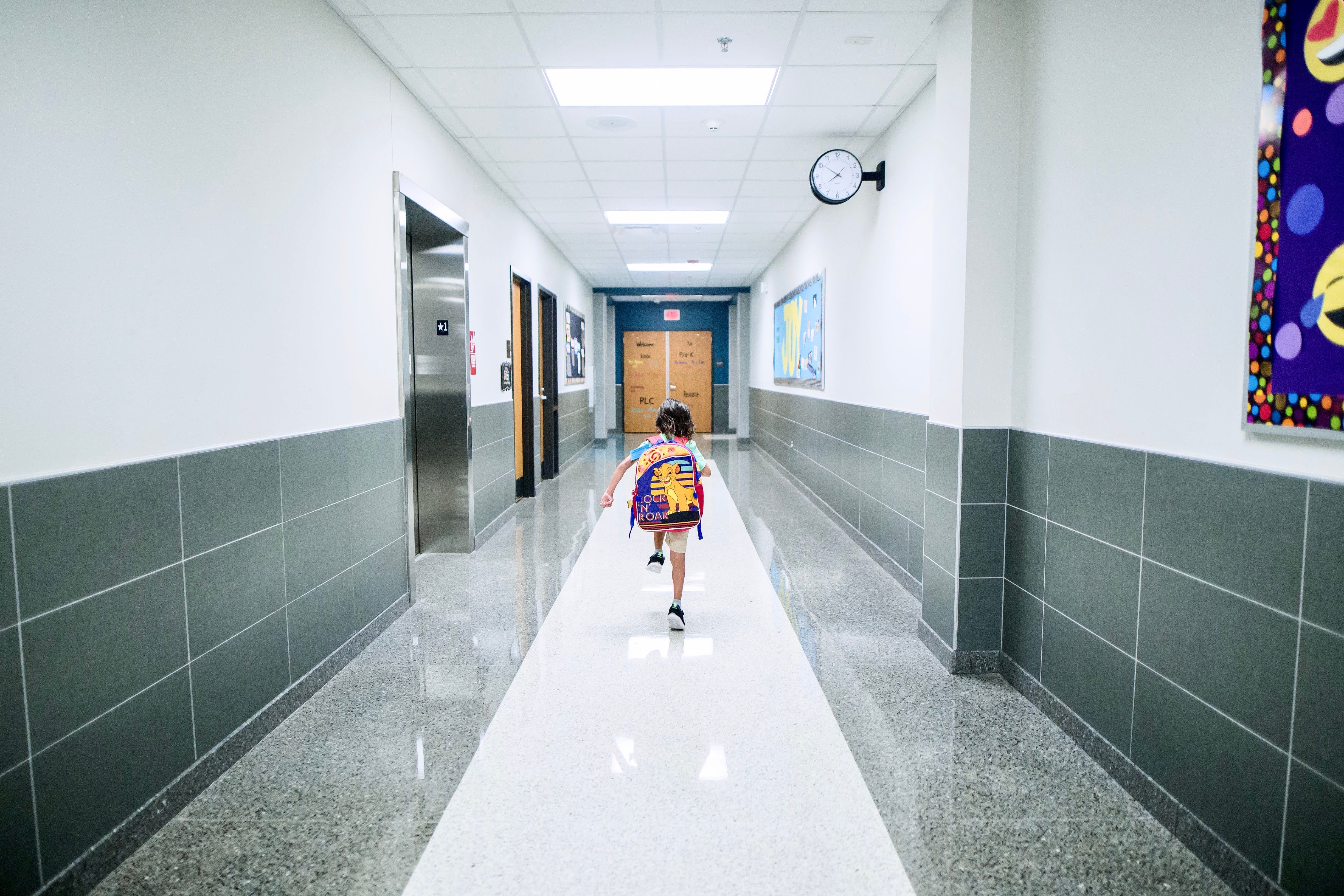
What to Do When a Student Walks Out of Class
Know what to say. Know what to do.
Few classroom situations force a teacher to make as many decisions as quickly as a student walking out of class. One moment you're teaching, and the next you're deciding whether to follow the student, call the office, continue instruction, or respond to worried classmates. Those first few moments often determine whether the situation settles down or becomes even more disruptive.
Although the behavior looks the same on the surface, students walk out of class for very different reasons. One student leaves after being corrected in front of peers. Another slips out quietly after staring at a difficult assignment for several minutes. A third storms into the hallway after an argument with another student. Understanding those differences is the foundation of making a good decision.
Quick Answer
When a student walks out of class, make safety your first priority. Resist the urge to react emotionally or chase the student without thinking through the situation. Instead, quickly determine whether you're dealing with an immediate safety concern, emotional dysregulation, work avoidance, or a student who has learned that leaving class is an effective way to escape classroom expectations.
The same behavior can communicate very different needs.
- "I'm overwhelmed."
- "I'm embarrassed."
- "I'm angry."
- "I don't know how to do this."
- "I don't want to do this."
Your response should be based on what the behavior is communicating, not simply the fact that the student left the room.
Look at Safety First
Your first responsibility is protecting students. A student who quietly leaves after becoming overwhelmed presents a very different situation than a student who is threatening others, attempting to leave campus, or destroying property. The level of risk should guide your response rather than the fact that the student walked out.
Remember that you are also responsible for every student who remains in your classroom. Leaving twenty-five students unsupervised to chase one student into the hallway may create a larger safety problem than the original incident. If your school has an administrator, counselor, dean, campus supervisor, or behavior team available, follow your school's procedures and let the appropriate staff respond whenever possible.
Follow Your School's Procedures
Every school should have established expectations for responding when students leave class. Some schools expect teachers to notify the office immediately, while others assign administrators, campus monitors, or counselors to respond. Good classroom management includes knowing those procedures before you ever need them.
Avoid inventing a plan during the crisis. Familiarity with your school's expectations allows you to respond calmly instead of making emotional decisions under pressure. Students also benefit when every adult in the building responds consistently because predictable systems create safer schools.
Smart Email by AskZac
Need to email a parent about a student walks out of class?
AskZac's Smart Email can help you draft a calm, professional message that explains what happened without escalating the situation.
Don't let the wrong email undo the right decision.
Try Smart EmailSmart Email helps educators write clear, professional emails to parents, administrators, and colleagues directly inside Gmail.

Look at the Trigger
Students rarely walk out without something happening first. Think about the minute before they left instead of focusing only on the act of leaving. Were they corrected publicly, asked to complete challenging work, involved in peer conflict, or frustrated by something they didn't understand?
The trigger often tells you more than the behavior itself. A student who leaves after public embarrassment needs a different conversation than a student who leaves every time independent writing begins. Identifying the trigger helps you solve the actual problem instead of reacting only to the symptom.
Look at the Payoff
Behavior that accomplishes something usually continues. If leaving class allows a student to avoid difficult work, escape an uncomfortable conversation, gain adult attention, or calm overwhelming emotions, the behavior may become a reliable strategy. Students don't always think about this consciously, but patterns develop quickly when a behavior consistently solves a problem.
Walking out should never become the easiest way to avoid classroom expectations. At the same time, there is an important difference between escaping responsibility and using an approved strategy to regain self-control. Some students are learning healthier ways to regulate emotions, and leaving briefly may represent progress if it occurs within an established support plan.
Teach a Better Way
Students need an alternative before they need a consequence. If the only options are staying in class or walking out, some students will continue choosing the option that feels safest in the moment. Teaching replacement behaviors gives students another way to handle frustration before emotions become overwhelming.
Depending on your classroom and school, replacement behaviors might include requesting a break, using a classroom regulation space, quietly signaling the teacher, asking for help, or using an approved hall pass. Whatever strategy your school uses, teach it, practice it, and revisit it throughout the year so students know what to do before emotions take over.
Don't Turn the Hallway Into a Stage
If you speak with the student before they return, keep the interaction brief and calm. Hallways are public spaces, and students who already feel embarrassed often become more defensive when adults continue correcting them in front of peers. A prolonged argument in the hallway rarely produces a better outcome than the disagreement that started in the classroom.
Simple statements such as, "Let's make sure everyone is safe," or, "We'll talk when you're ready," communicate calm without rewarding the behavior with a lengthy discussion. The goal is restoring safety first and solving the problem later.
Plan the Return
The student's return to class is just as important as the walkout itself. Ignoring the incident teaches students that leaving class carries no responsibility, while restarting the argument often recreates the emotions that caused the student to leave. Neither response helps students develop better decision-making skills.
Once the student has regained control, meet privately to discuss what happened. Talk about the trigger, the decision to leave, the impact on others, and what the student can do differently next time. Accountability should include repairing harm when appropriate and helping students develop better strategies for future situations.
Document the Facts
One isolated incident may simply reflect a difficult day. Repeated walkouts deserve careful documentation because patterns help educators identify effective interventions and communicate accurately with families and support teams. Good documentation also protects everyone by creating an objective record of what occurred.
Record what happened immediately before the student left, how long the student was gone, who responded, how the student returned, and what happened afterward. Avoid writing conclusions such as "the student was disrespectful" when the facts themselves tell the story. Objective documentation is more useful than opinions when teams begin planning next steps.
Professional Judgment Means Teaching the Next Decision
Walking out of class is usually an attempt to solve a problem, even if it's an ineffective one. The goal isn't simply getting the student back into the classroom. The goal is helping the student develop better ways to respond when frustration, embarrassment, anxiety, or conflict begins to build.
Every response teaches something. Students either learn that walking out is the fastest way to escape uncomfortable situations, or they learn that adults will help them develop better ways to handle difficult moments while still holding them accountable. That's why professional judgment matters so much in these situations.
Frequently Asked Questions
Should I follow a student who walks out of class?
The answer depends on your school's procedures, the student's age, the level of risk, and your responsibility to supervise the students who remain in your classroom. In many situations, notifying the office or another designated staff member is safer than leaving your class unattended. Learn your school's expectations before you find yourself making that decision in the middle of instruction.
Should there be a consequence for walking out?
There should always be accountability, but accountability should teach rather than simply punish. Students need to understand why leaving class created a problem, repair any harm that occurred, and learn a better strategy for responding the next time they become frustrated or overwhelmed.
You May Also Be Facing One of These Situations
- What to Do When Students Stop Responding to Classroom Consequences
- What to Do When a Student Refuses to Participate
- What to Do When a Student Refuses to Work
- How to Stop Students From Calling Out Without Discouraging Participation
- When a Student Says, "This Is Boring": What Experienced Teachers Notice First
Before reacting to a difficult classroom situation, let AskZac check it first. AskZac helps educators think through challenging moments by providing practical guidance on what to say, what to do, what to document, and what to try next. Visit AskZacAI.com for educator-specific guidance built by experienced educators for real classrooms.