What to Do When a Student Lies to You: How to Respond Without a Power Struggle
AskZac Editorial Team · July 20, 2026
- Classroom Management
- Student Behavior
- Student Accountability
- Behavior Management
- Teacher Strategies
- Student Honesty
- Professional Judgment
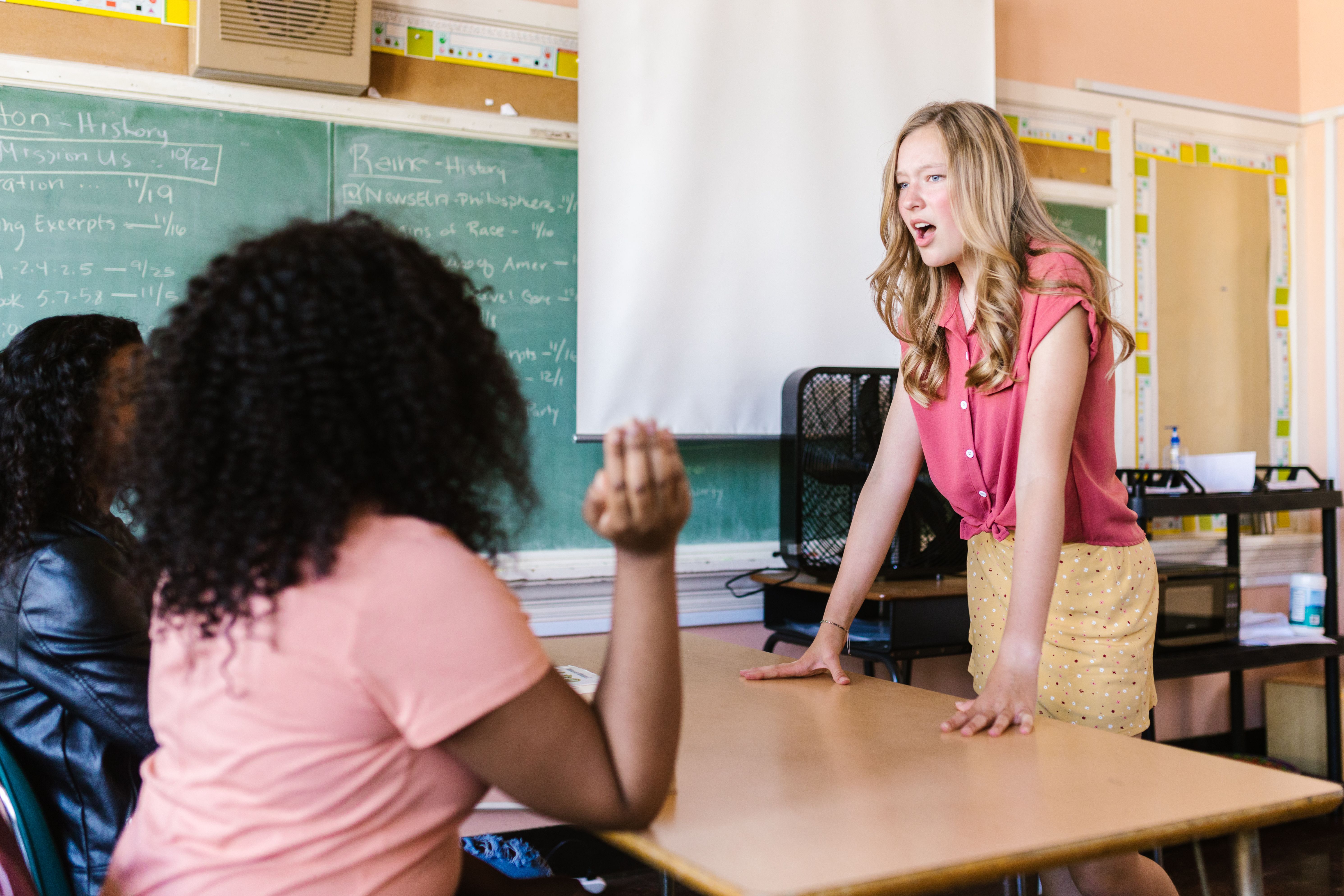
What to Do When a Student Lies to You
Know what to say. Know what to do.
One of the quickest ways for a classroom situation to become personal is when a student denies something you clearly believe happened. You watched the interaction, addressed it calmly, and before you've finished speaking, the student insists, "I didn't do it." At that moment, many teachers stop thinking about the original behavior and start trying to prove they're right.
That shift is understandable, but it's rarely productive. Whether the issue involves pushing another student, talking during instruction, cheating on an assignment, or claiming homework was turned in, the goal isn't to win an argument. The goal is helping the student become more honest, more accountable, and better equipped to handle mistakes in the future.
Quick Answer
When a student lies to you, don't rush to prove them wrong. Stay grounded in what you know, remain open to the possibility that you don't know everything, and focus on teaching responsibility instead of extracting a confession. Students are far more likely to tell the truth in classrooms where mistakes can be acknowledged without becoming public battles.
Stay Curious Before You Become Certain
Teachers are usually right about what they observe, but not always. You may have seen only part of an interaction, missed something that happened moments earlier, or misunderstood what another student reported. Beginning the conversation with curiosity protects your credibility and models the same fairness you expect from students.
That doesn't mean ignoring obvious behavior. It means separating what you directly observed from what you assume happened. Students are much more likely to accept accountability when they believe the adult is interested in understanding the situation rather than simply proving a point.
Separate Facts From Assumptions
One mistake teachers make is arguing over details that don't actually matter. The longer the discussion becomes a debate, the less likely the student is to acknowledge any responsibility. Before long, everyone is arguing about memories instead of solving the problem.
Stick to observable facts whenever possible. Statements like, "I saw the paper leave your hand," or, "I heard you call across the room during instruction," are difficult to dispute because they describe what you personally witnessed instead of assigning motives or making assumptions.
Look at What the Student Has to Lose
Students don't always lie because they believe they'll fool the teacher. Often they're trying to protect something they value. For younger children, that may be avoiding disappointment or consequences. For adolescents, it is frequently about preserving dignity in front of classmates.
Smart Email by AskZac
Need to email a parent about a student lies to you: how to respond without a power struggle?
AskZac's Smart Email can help you draft a calm, professional message that explains what happened without escalating the situation.
Don't let the wrong email undo the right decision.
Try Smart EmailSmart Email helps educators write clear, professional emails to parents, administrators, and colleagues directly inside Gmail.

Admitting the truth in front of peers can feel more threatening than accepting another consequence. When teachers recognize what the student is trying to protect, they can respond in ways that reduce defensiveness while still holding the student accountable.
Not Every Denial Is Dishonesty
A student saying, "That's not what happened," is not automatically lying. Children and adolescents sometimes remember emotionally charged events differently than adults do. Others focus on intent rather than behavior, responding with, "I didn't mean to," when the teacher is addressing what actually happened.
Some students also panic when confronted and respond impulsively before they have time to think. The goal isn't deciding whether every inaccurate statement is intentional deception. The goal is helping students develop the confidence to respond honestly, even when honesty is uncomfortable.
Protect the Student's Dignity
Public confrontations often make honesty less likely. Once classmates become an audience, many students feel pressure to defend themselves rather than reflect on their choices. The conversation shifts from responsibility to reputation.
Whenever possible, address disagreements privately. Students who feel respected are more willing to admit mistakes because they no longer feel like they're competing to save face in front of their peers.
Teach Accountability Instead of Confession
Many teachers unintentionally communicate that accountability begins only after a student admits being wrong. In reality, accountability is much broader than a confession. It includes recognizing the impact of a decision, repairing harm when appropriate, and making a better choice the next time.
Some students will accept responsibility without agreeing with every detail of your version of events. That's okay. The objective isn't perfect agreement. It's helping students develop habits of honesty and responsibility over time.
Give Students Better Words
Students often deny responsibility because they don't know another way to respond. Teaching replacement language gives them a bridge between defensiveness and accountability. Just as we teach academic vocabulary, we can teach students how to respond when they make mistakes.
Simple statements like, "I made a poor choice," "I got frustrated," "Can I explain what happened?" or "I don't remember it that way," create opportunities for honest conversations instead of arguments. Those responses allow students to preserve dignity while still engaging in problem solving.
Document What You Know
If dishonesty becomes a repeated pattern, objective documentation becomes valuable. Record what you personally observed, what the student said, who else was involved, and how the situation was resolved. Avoid documenting conclusions that can't be supported by observable facts.
Patterns matter far more than isolated incidents. Careful documentation helps teachers communicate effectively with families, administrators, counselors, and student support teams while keeping the focus on evidence rather than assumptions.
Professional Judgment Means Teaching the Truth, Not Winning the Argument
Students become more honest when they believe adults are interested in helping them learn from mistakes instead of catching them in one. That doesn't mean lowering expectations or ignoring dishonesty. It means creating a classroom where telling the truth feels safer than maintaining a lie.
The next time a student denies something you believe happened, resist the urge to prove your case. Slow the conversation down, separate facts from assumptions, protect the student's dignity whenever possible, and remember that your long-term goal is building a student who chooses honesty because it has become part of who they are.
Frequently Asked Questions
What if I know the student is lying?
Stay calm and avoid turning the conversation into a debate. Describe what you observed, explain the expectation, and focus on what needs to happen next. A lengthy argument rarely changes a student's story, but it often distracts from the lesson you are trying to teach.
Should there be a consequence if a student lies?
Students should be held accountable for their behavior, but consequences should teach rather than simply punish. Whenever possible, help students repair harm, reflect on their choices, and practice a more honest response the next time they find themselves in a difficult situation.
You May Also Be Facing One of These Situations
- What to Do When a Student Walks Out of Class
- What to Do When Students Stop Responding to Classroom Consequences
- What to Do When a Student Refuses to Participate
- How to Stop Students From Calling Out Without Discouraging Participation
- When a Student Says, "This Is Boring": What Experienced Teachers Notice First
Before reacting to a difficult classroom situation, let AskZac check it first. AskZac helps educators think through challenging moments by providing practical guidance on what to say, what to do, what to document, and what to try next. Visit AskZacAI.com for educator-specific guidance built by experienced educators for real classrooms.