What to Say When a Parent Requests Your Personal Cell Phone Number | Teacher Guide
AskZac Editorial Team · July 20, 2026
- Parent Communication
- Parent Teacher Relationships
- Teacher Communication
- Teacher Boundaries
- Professional Boundaries
- Teacher Cell Phone
- Parent Conferences
- Family Engagement
What to Say When a Parent Requests Your Personal Cell Phone Number
Know what to say. Know what to do.
The conference has gone well. You and the parent have developed a plan, agreed on next steps, and committed to working together to support the student.
As everyone begins gathering their things, the parent smiles and asks one final question.
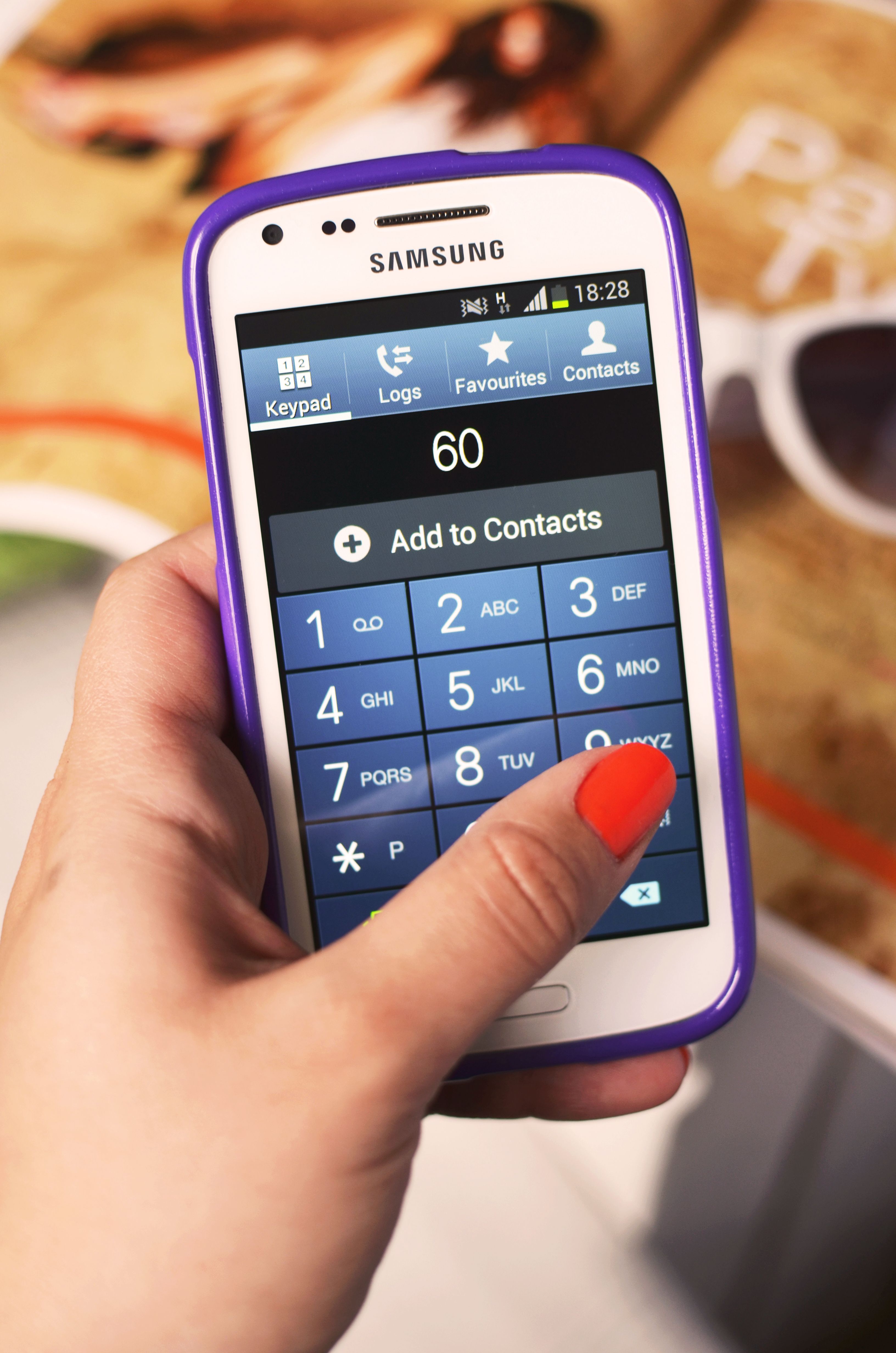
"Can I have your cell phone number? It'll just be easier if I can text you."
Many teachers feel caught off guard by this request. They want to be helpful, but they also understand that sharing a personal phone number can blur professional boundaries in ways that become difficult to manage. Declining the request can feel uncomfortable, especially when the parent appears sincere and appreciative.
Over time, most educators discover that this conversation is not really about a phone number. It is about establishing communication expectations that allow teachers to remain responsive, professional, and available to every family throughout the school year.
Quick Answer
If a parent asks for your personal cell phone number, thank them for wanting to stay connected while directing them to your school's approved communication methods. Professional communication routines protect both teachers and families by creating clear expectations, preserving important records, and ensuring that every family receives consistent access.
What to Say
Consider responding like this:
"I appreciate that you want an easy way for us to stay in touch. Our school asks us to use our approved communication systems so I can respond consistently and make sure I don't miss important messages. Email and our school communication platform are the best ways to reach me, and I'll make every effort to respond as quickly as I can."
This response acknowledges the parent's request without making the conversation feel awkward or personal. Instead of simply saying no, it explains why school communication systems exist and redirects the parent toward an approach that benefits everyone.
A Lesson Many Veteran Teachers Learn
Every communication method creates an expectation.
If parents can text today, they will naturally assume texting is appropriate tomorrow. If teachers routinely answer messages late in the evening, families may begin believing that evening responses are the norm.
Communication expectations established during the first month of school often become the expectations for the rest of the year. That is why experienced educators think carefully before creating communication habits they may struggle to maintain later.
Veteran Tip
Explain your communication routines before families need to ask.
Many teachers include a brief section in their welcome letter describing the best ways to communicate, expected response times, and office hours. Families appreciate knowing exactly how communication will work, and teachers avoid uncomfortable conversations later because expectations have already been established.
Choosing the Right Communication Method
Different situations call for different forms of communication.
Smart Email by AskZac
Need to email a parent about what to say when a parent requests your personal cell phone number | teacher guide?
AskZac's Smart Email can help you draft a calm, professional message that explains what happened without escalating the situation.
Don't let the wrong email undo the right decision.
Try Smart EmailSmart Email helps educators write clear, professional emails to parents, administrators, and colleagues directly inside Gmail.
| Situation | Best Communication Method |
|---|---|
| Routine classroom question | |
| Urgent school issue | School office |
| Behavior update | Approved school communication platform |
| Ongoing intervention | Scheduled phone conference |
| Sensitive discussion | In-person or virtual meeting |
Matching the communication method to the situation helps everyone receive the information they need while maintaining professionalism.
Why Veteran Teachers Approach This Differently
New teachers sometimes believe sharing a personal phone number demonstrates commitment.
Veteran teachers recognize that accessibility and availability are not the same thing.
A teacher can be highly responsive without being available every hour of every day. Healthy communication practices allow teachers to provide excellent service to families while protecting the time they need to prepare lessons, spend time with their own families, and return to school ready to support students.
Some parents request personal phone numbers because previous communication with schools has been inconsistent or frustrating. Understanding that possibility encourages empathy without changing the importance of maintaining professional boundaries.
Professional boundaries are not walls that keep families out.
They are structures that allow every family to receive your best.
Why School Communication Systems Matter
School-approved communication platforms exist for important reasons. They create accurate records of conversations, help administrators provide support when necessary, and ensure that information about students is handled appropriately.
These systems also establish fairness. Every family has access to the same communication process, and teachers can manage conversations in an organized, consistent manner instead of juggling messages across multiple personal devices and applications.
Communication expectations vary across schools and districts. Follow your district's policies whenever they differ from this general guidance.
A Principal's Perspective
Parents who request a teacher's personal phone number are rarely trying to create a professional problem.
Most are simply looking for convenience and reassurance. They want confidence that they can reach someone when questions arise.
When teachers respond warmly while explaining the school's communication process, most parents understand and appreciate the consistency.
What Not to Say
Avoid responses such as:
- "I never give out my number."
- "You'll have to email me like everyone else."
- "I don't want parents texting me."
- "That's against the rules."
Although those responses may be accurate, they can unintentionally make families feel dismissed. A brief explanation followed by a practical alternative preserves the relationship while reinforcing professional expectations.
AskZac Judgment
The issue is not whether parents should have your personal phone number.
The issue is whether your communication practices allow you to serve every family consistently.
Strong communication routines create trust because everyone understands how communication will occur, when responses can reasonably be expected, and where important conversations should take place. Those expectations reduce misunderstandings and help teachers build partnerships that last throughout the school year.
People Also Ask
Should teachers give parents their personal cell phone number?
Most school districts encourage teachers to use school-approved communication methods rather than personal phone numbers. Follow your district's expectations and use the systems provided by your school.
What if a parent says texting is easier?
Acknowledge that texting is convenient, then explain that using school communication systems helps you respond consistently, maintain accurate records, and ensure important information is not overlooked.
Can I text parents using a school-approved app?
If your district provides or approves a messaging platform, follow your school's procedures for using that system.
What if I've already shared my phone number?
If you decide to change your communication practices, explain the change professionally and begin directing families to your school's approved communication methods.
Can parents text teachers after school hours?
Parents may send messages whenever it is convenient for them, but teachers are not expected to respond immediately unless district policy requires otherwise. Establishing reasonable response expectations helps maintain healthy professional boundaries.
Leadership Reflection
Before sharing personal contact information, ask yourself:
- Would I offer the same level of access to every family?
- Does this communication method protect student confidentiality?
- Can I realistically maintain these expectations throughout the school year?
- Am I following my district's communication procedures?
Professional consistency builds trust far more effectively than unlimited availability.
What Success Looks Like
A successful communication process makes it easy for families to reach you while preserving healthy professional boundaries. Parents understand how communication works, teachers respond consistently, and important conversations remain organized and well documented. Over time, misunderstandings decrease because everyone shares the same expectations.
Success Checklist
Before ending the conversation, ask yourself:
- Did I thank the parent for wanting to stay connected?
- Did I explain the reason for using school communication systems?
- Did I provide a practical alternative?
- Did I remain warm and professional?
- Did I reinforce communication expectations without damaging the relationship?
If you answered yes to each question, you strengthened both the partnership and your professional boundaries.
What Experienced Teachers Do Next
Experienced teachers understand that every communication decision establishes an expectation. They build communication routines that are consistent, equitable, and sustainable, then follow those routines throughout the school year.
Families rarely remember whether they had a teacher's personal phone number.
They remember that they always knew how to reach the teacher, understood what to expect, and experienced professionalism and care every time communication occurred.
Know what to say. Know what to do. Let AskZac check it first.