What to Say When a Parent Records the Meeting
Dr/ Zachary Scott Robbins · July 13, 2026
- Parent Communication
- Parent Teacher Conferences
- Parent Meeting
- Recording Meetings
- Teacher Communication
- Difficult Parent Conversations
- Classroom Management
- Professional Communication
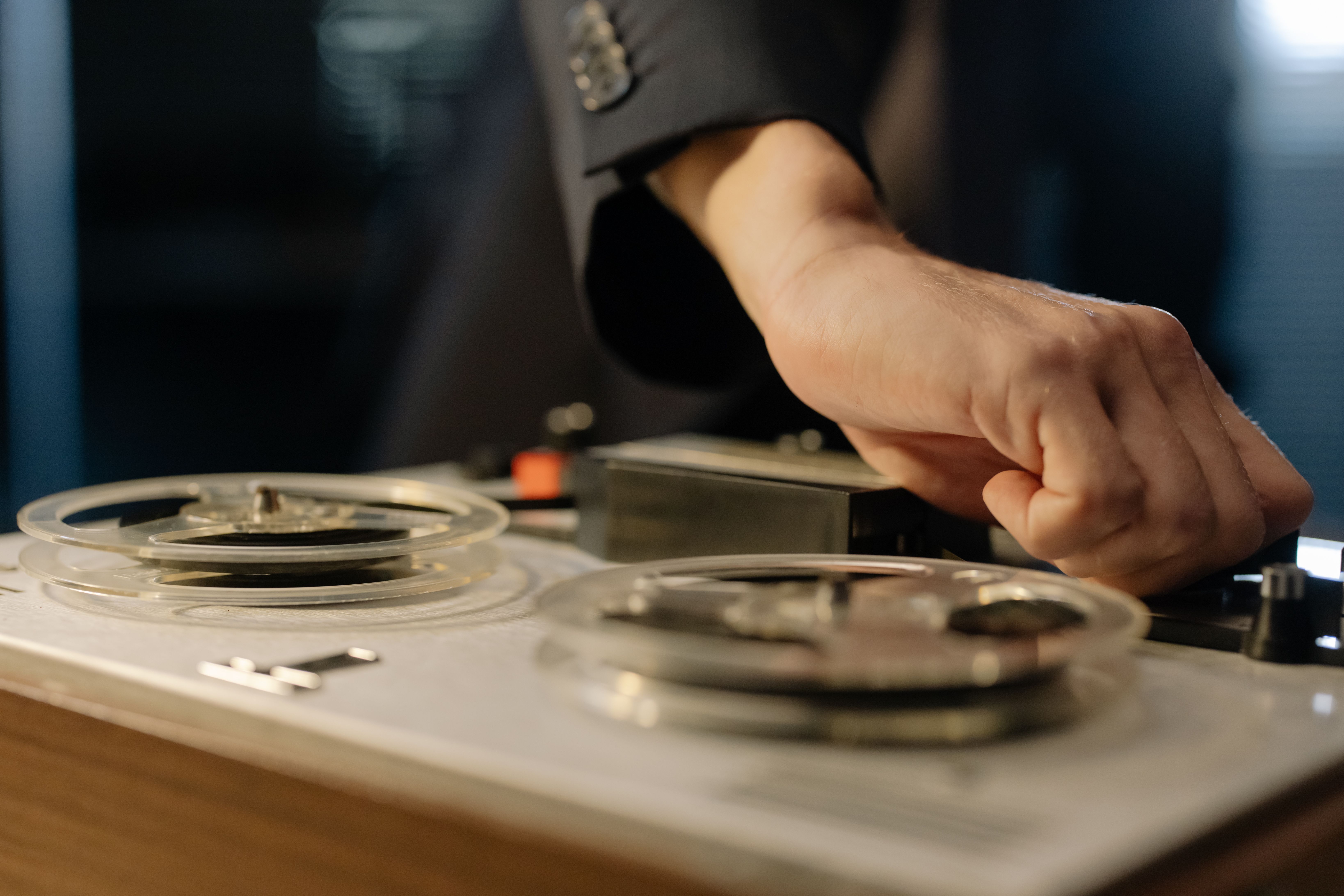
What to Say When a Parent Records the Meeting
Know what to say. Know what to do.
You're meeting with a parent to discuss their child's progress. The conversation is respectful, but difficult. As you reach for your notes, you notice a phone on the table with the recording screen open.
Or perhaps the parent tells you directly, "I'd like to record our conversation so I don't miss anything."
For many teachers, that moment immediately changes the atmosphere. Questions begin racing through their minds. Can they do that? Should I stop the meeting? Do I need to call my principal?
Experienced educators approach the situation differently. They understand that the recording itself is rarely the real issue. The real issue is whether the conversation continues to be professional, productive, and focused on helping the student.
Quick Answer
If a parent records a meeting, remain calm and continue communicating professionally. Follow your district's procedures and applicable state law regarding recordings, but do not allow the presence of a recording device to change the way you conduct yourself. Your goal is the same as it was before the phone appeared: work together to support the student.
What to Say
Consider responding like this:
"Thank you for letting me know. Our shared goal today is to support your child, and I want to make sure we're following our school's procedures regarding recorded meetings. If I need to clarify our district's expectations before we continue, I'll do that so we can move forward appropriately."
This response acknowledges the parent's statement without escalating the situation. It communicates professionalism, avoids making assumptions, and reinforces that everyone is working toward the same objective.
Why Experienced Teachers Handle This Differently
New teachers often believe the recording changes the meeting.
Experienced teachers understand that it shouldn't.
Professional educators communicate with the same level of respect whether they are speaking with one parent, a room full of colleagues, their principal, or a recording device. They don't become more thoughtful because someone presses a button on a phone. They are already communicating thoughtfully because professionalism is their normal practice.
That perspective changes everything. Instead of worrying about the recording, experienced educators concentrate on listening carefully, explaining clearly, and keeping the discussion centered on the student's needs.
Veteran Observation
The recording is rarely the issue.
Professionalism is.
If knowing the meeting is being recorded changes the way you communicate, it is worth asking why. The strongest educators strive to conduct every important conversation in a manner they would be comfortable having reviewed by a parent, a principal, or another colleague. That mindset builds confidence because nothing about the conversation has to change.
Smart Email by AskZac
Need to email a parent about what to say when a parent records the meeting?
AskZac's Smart Email can help you draft a calm, professional message that explains what happened without escalating the situation.
Don't let the wrong email undo the right decision.
Try Smart EmailSmart Email helps educators write clear, professional emails to parents, administrators, and colleagues directly inside Gmail.

Veteran Tip
Before every difficult meeting, assume someone else may eventually review your communication.
That assumption encourages careful listening, respectful language, accurate documentation, and thoughtful decision making. When those habits become part of your professional practice, recordings become much less intimidating.
If You Discover the Meeting Is Being Recorded
Rather than reacting emotionally, follow a simple process.
- Stay calm and continue speaking professionally.
- Determine whether you know your district's procedures regarding recordings.
- If you are uncertain, pause the meeting and consult your administrator.
- Continue the meeting if appropriate under district procedures.
- Document the meeting afterward according to your school's expectations.
Having a consistent process allows you to respond confidently instead of emotionally.
Understanding Why Parents Record Meetings
Parents choose to record meetings for many different reasons. Some worry they will forget important information. Others want another family member to hear the discussion later. Some have experienced previous misunderstandings and want an accurate record of what was said.
Understanding those possibilities does not require you to agree with the decision to record. It simply helps you respond with curiosity rather than suspicion. When educators understand the concern behind the behavior, they are better able to keep the conversation productive.
Know Your District's Procedures
Recording laws and school procedures differ by state and district. Some schools have specific expectations regarding recordings, while others address the issue through broader communication policies.
If you are uncertain, avoid making assumptions. Pause the meeting if necessary, consult your administrator, and follow your district's guidance before continuing.
What Not to Say
Avoid statements such as:
- "You can't record me."
- "Turn that off right now."
- "If you're recording, this meeting is over."
- "I guess you don't trust me."
Those responses often escalate the situation before anyone has clarified school procedures or legal requirements.
AskZac Judgment
The presence of a recording device should never become the center of the meeting.
The student should.
Parents rarely leave a meeting saying, "The teacher handled the recording perfectly."
They remember whether they felt respected, whether their concerns were heard, and whether everyone left with a clear plan to help their child succeed. Keep your attention on those goals, and the recording becomes a much smaller part of the conversation.
People Also Ask
Can parents legally record a school meeting?
Recording laws vary by state, and school districts may have additional procedures. Follow your district's guidance and consult your administrator whenever you are uncertain.
Should I refuse to continue the meeting?
Follow your district's procedures. If you are unsure how to proceed, pause the meeting and seek administrative guidance before continuing.
Should I tell my principal?
If a meeting is recorded or if questions arise about district procedures, informing your administrator is a sound professional practice.
Should I document that the meeting was recorded?
Yes. If a recording occurred or was disclosed, document that fact according to your district's procedures.
Can I record the meeting too?
Follow district policy and applicable state law before recording any meeting yourself.
Leadership Reflection
Before leaving the meeting, ask yourself:
- Did I remain professional from beginning to end?
- Did I keep the discussion focused on the student?
- Did I follow district procedures?
- Would I be comfortable if someone listened to the entire conversation tomorrow?
Those questions matter far more than whether a phone was sitting on the table.
What Success Looks Like
You know you handled the situation well when the meeting remained respectful, district procedures were followed, everyone understood the next steps, and the student's needs remained the focus throughout the conversation.
Success Checklist
Before considering the meeting complete, ask yourself:
- Did I remain calm?
- Did I avoid reacting emotionally?
- Did I follow district procedures?
- Did I keep the student's needs at the center of the discussion?
- Did I document the meeting appropriately?
If you answered yes to each question, you handled the situation professionally.
What Experienced Teachers Do Next
Experienced teachers do not spend their energy worrying about whether someone recorded the meeting. They spend their energy building trust, documenting accurately, following through on commitments, and supporting students.
Professionalism is not something you turn on when someone starts recording.
It is something you practice every day.
You May Be Facing One of These Situations
- What to Say When a Parent Sends an Angry Email
- How to Document Difficult Parent Conversations
- What to Do When a Parent Threatens to Contact the Principal
- What to Say When a Parent Demands Another Teacher
- What to Say When a Parent Doesn't Believe Your Documentation
Know what to say. Know what to do. Let AskZac check it first.