What Classroom Procedures Should Teachers Teach First? A Guide for the First Week of School
AskZac Editorial Team · August 1, 2026
- Classroom Procedures
- Classroom Management
- Back to School
- Classroom Routines
- First Week of School
- Teacher Tips
What Classroom Procedures Should Teachers Teach First?
Teachers often think classroom procedures exist to keep students organized. In reality, their most important purpose is something much bigger. Every well-taught procedure removes uncertainty, and every uncertainty you remove gives students more attention to devote to learning.
Quick Answer
The most important classroom procedures are the ones students use repeatedly throughout the day. Entering the classroom, beginning work, asking for help, transitioning between activities, working with classmates, and ending class all deserve explicit instruction because they reduce uncertainty. When students no longer have to wonder what to do next, they can devote more of their attention to learning.
The Real Purpose of Classroom Procedures
Ask teachers why classroom procedures matter and most will mention classroom management.
That answer is partly true, but it misses something important. Well-designed procedures do more than reduce disruptions. They reduce uncertainty. Students who understand how a classroom works spend less time trying to figure out what comes next and more time focusing on the lesson in front of them.
Think about walking into a building you've never visited before. If no one tells you where to go, where to sit, or what happens next, part of your attention immediately shifts away from learning and toward simply navigating the environment. Students experience the same thing every time they enter a new classroom.
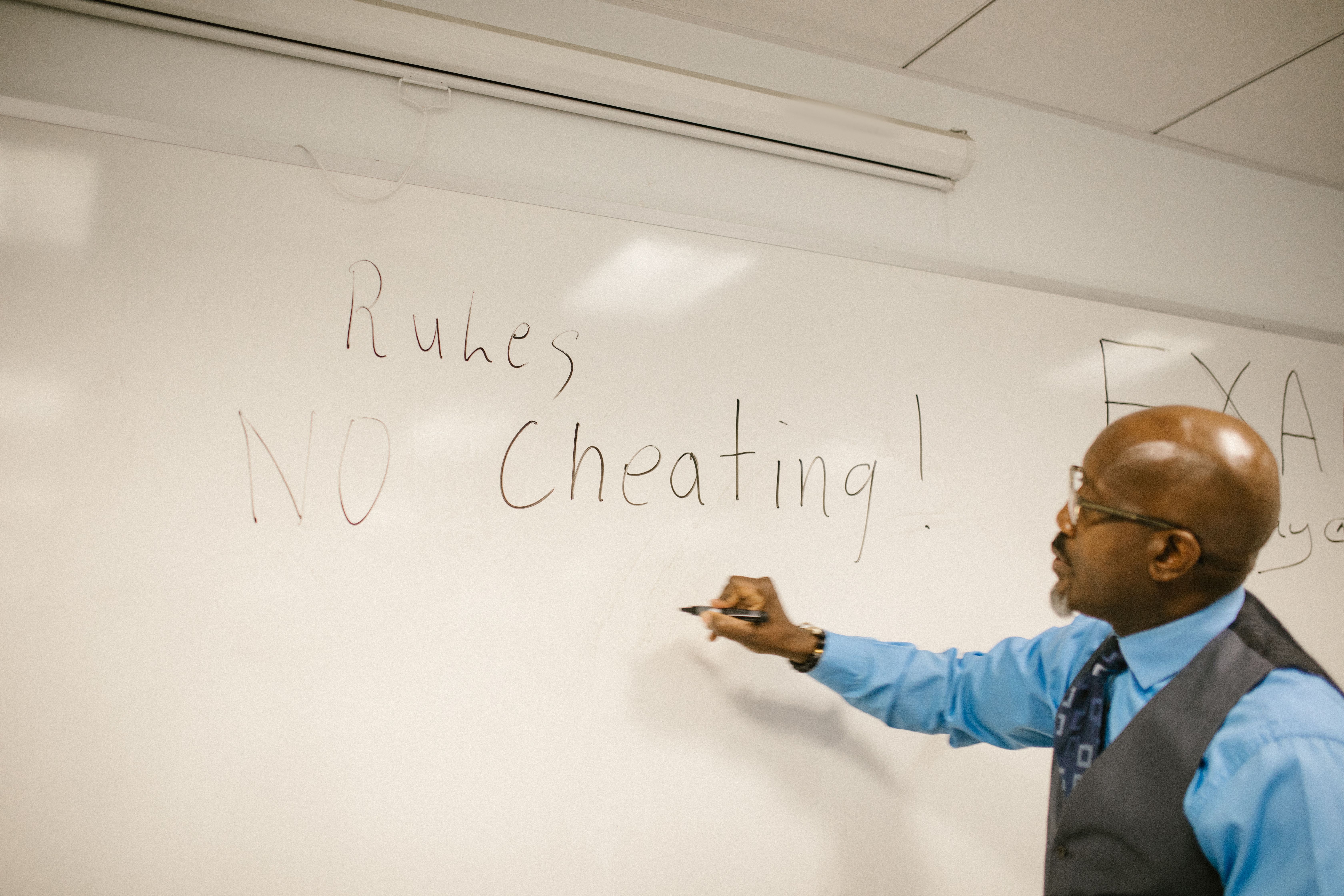
Rules Tell Students What. Procedures Teach Students How.
Rules and procedures work together, but they serve different purposes.
Rules communicate expectations. Procedures teach students exactly how to meet those expectations during everyday classroom situations. A rule might tell students to be respectful. A procedure shows them how to participate in a discussion, ask for help appropriately, or transition quietly between activities.
Students cannot consistently meet expectations they have never been shown how to achieve. Teaching procedures removes unnecessary guesswork because students know what success looks like before they are expected to demonstrate it.
Students Can't Follow What They Haven't Been Taught
Teachers sometimes find themselves saying, "They should already know this."
Perhaps they should.
That still doesn't mean they do.
Every classroom operates differently. Students arrive from different schools, different grade levels, and different teachers, each with unique routines and expectations. What felt automatic in one classroom may not exist in another. Assuming students already know how your classroom works often creates frustration that could have been avoided through instruction.
Students are not failing when they don't know your procedures. They simply haven't learned them yet.
Every Procedure Removes a Decision
Students make hundreds of decisions every day.
Where do I put my backpack? What do I do when I finish? Can I sharpen my pencil? Should I ask my neighbor or the teacher for help? How do we move into groups? Those questions may seem small, but together they consume attention that students could otherwise devote to learning.
Effective procedures answer those questions before students need to ask them. As routines become familiar, students stop spending mental energy navigating the classroom and begin investing that energy in academic work instead.
The Procedures Every Classroom Needs
Teachers do not need procedures for every possible situation during the first week of school.
They do need clear routines for the moments students experience every day. These procedures quickly become part of the classroom's rhythm because they remove uncertainty from the most common situations.
Entering the Classroom
Students should know what happens from the moment they walk through the door. Where do materials go? What should they begin working on? How do they know class has started? Clear entry routines help students transition from the hallway into learning without confusion.
Beginning Independent Work
Students benefit from knowing exactly how to begin, where directions are located, and what to do if they become stuck. Independence develops when students understand the process before they need assistance.
Asking for Help
Every classroom should have a predictable system for requesting help. Students should know when to ask the teacher, when to consult classmates, and what to do while waiting. Clear procedures reduce interruptions while ensuring students continue making progress.
Working With Partners or Groups
Collaboration requires more than assigning partners. Students need to understand how to share materials, participate respectfully, solve disagreements, and return attention to the teacher when group work ends.
Transitions
Many classrooms lose more instructional time during transitions than during lessons. Teaching students exactly how to move from one activity to another creates smoother instruction and reduces opportunities for confusion.
Ending Class
Students should leave knowing how to submit work, organize materials, and prepare for the next class period. Strong dismissal routines help classrooms end as successfully as they begin.
Explaining Isn't Teaching
Many procedures fail because they are explained instead of taught.
Imagine teaching a student to ride a bicycle by describing the pedals and handlebars. Most people would recognize that explanation alone is not enough. Students need demonstrations, guided practice, feedback, and repeated opportunities to improve before riding becomes automatic.
Classroom procedures work the same way. Teachers model them, students practice them, feedback is provided, and everyone practices again. Procedures become effective because they are rehearsed until students no longer have to think about them.
A Tale of Two Classrooms
On the second day of school, students enter two different classrooms.
In the first classroom, several students stop to ask where homework belongs. Others begin talking because they are unsure how class starts. The teacher answers the same questions repeatedly before instruction can begin. Nothing unusual has happened. Students simply have not learned the routines yet.
Across the hall, students quietly enter, place materials where they belong, begin the posted warm-up, and settle into learning. The teacher spends very little time giving directions because the procedures have already been modeled, practiced, and reinforced. The difference is not the students. The difference is the instruction they received about how the classroom works.
The Principal Walkthrough
Imagine walking into a classroom during the third week of school.
Instead of watching only the teacher, watch the students. Do they know how to begin work without reminders? Can they transition smoothly? Do they know where materials belong? Are they asking fewer procedural questions because routines have become familiar?
Those observations tell you whether procedures have been taught or simply explained. Students who confidently follow classroom routines are demonstrating learning just as surely as they demonstrate academic skills.
Experienced Teachers Reteach Procedures
Strong teachers do not assume procedures last forever.
After holidays, assemblies, testing, schedule changes, and long weekends, experienced educators intentionally revisit routines. They understand that students benefit from reminders because classroom habits become stronger through retrieval and repetition. Reteaching procedures is not a sign that students failed to learn them the first time. It is part of helping students return quickly to successful habits.
The same principle applies to academic learning. Skills improve through review, and classroom routines do as well.
What Students Remember
Students rarely leave school talking about excellent classroom procedures.
Instead, they remember classrooms that felt calm, organized, and predictable. They remember knowing what to do, feeling confident instead of confused, and spending more time learning than waiting for directions. Those experiences become possible because procedures quietly remove uncertainty from the school day.
The best classroom procedures eventually become invisible. They fade into the background because students no longer have to think about them, leaving more attention available for the work that matters most.
Frequently Asked Questions
What classroom procedures should teachers teach first?
Begin with the routines students use every day, including entering the classroom, starting work, asking for help, transitioning between activities, working with classmates, and ending class successfully.
How long should teachers spend teaching procedures?
Expect to teach, model, practice, and revisit procedures throughout the first several weeks of school. Time invested early prevents many classroom management problems later.
Should teachers reteach procedures after holidays?
Yes. Returning from breaks is an ideal time to revisit classroom routines so students can quickly return to successful habits.
What's the difference between a classroom rule and a classroom procedure?
Rules communicate expectations. Procedures teach students exactly how to meet those expectations during everyday classroom situations.
Recommended Reading
- Should I Be Strict at the Beginning of the School Year?
- How to Build Relationships With Students Without Losing Classroom Control
- What Should I Do When Students Test the Rules?
Final Thought
Students spend every school day making decisions.
The more uncertainty teachers remove through well-taught procedures, the more attention students can devote to learning. Strong classroom procedures are not about controlling students. They are about creating a classroom where students know what to do, understand what comes next, and have the confidence to focus on the work that brought them there in the first place.