How Do I Know if a Student Is Falling Behind or Just Developing at a Different Pace?
AskZac Editorial Team · August 2, 2026
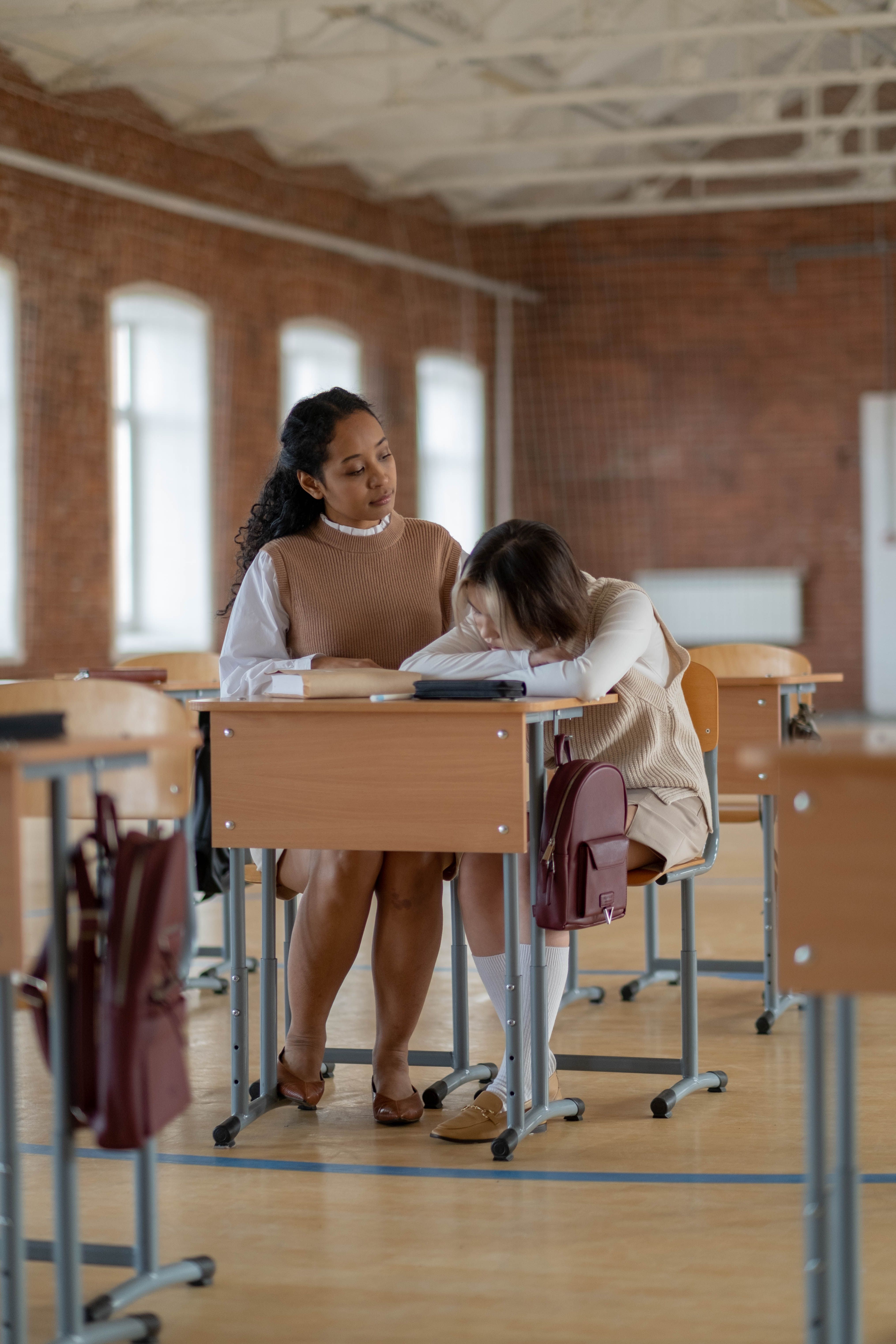
How Do I Know if a Student Is Falling Behind or Just Developing at a Different Pace?
How Teachers Can Recognize Patterns, Respond Thoughtfully, and Know When to Seek Additional Support
Every teacher eventually wonders whether a student's struggles represent a temporary challenge or something that deserves closer attention. Some students simply need more time, more practice, or a different explanation. Others continue struggling despite strong instruction and consistent support. Knowing the difference is one of the most important professional judgments teachers make because it influences how quickly students receive the help they need.
Quick Answer
Teachers are not expected to diagnose learning disabilities or determine why a student is struggling. They are expected to notice patterns, provide effective instruction, monitor how students respond, document their observations, and collaborate with colleagues when concerns persist. Strong decisions begin with careful observation rather than quick conclusions.
Every Student Learns at a Different Pace
Students do not all master new skills on the same schedule. One student may understand a concept after one lesson, while another may need additional examples, guided practice, or more opportunities to apply the skill. Those differences are a normal part of teaching because classrooms are filled with students who bring different experiences, strengths, and learning histories.
The challenge is knowing when slower progress remains part of normal development and when the pattern suggests that additional support may be needed. Teachers make stronger decisions when they resist comparing students to one another and instead focus on each student's growth over time.
Look for Patterns Instead of Isolated Moments
One difficult assignment rarely tells the whole story. Students have bad days, become distracted, miss directions, or struggle with something happening outside of school. Experienced teachers avoid making important decisions based on a single lesson or assessment because isolated moments rarely provide enough information.
Patterns deserve closer attention because they continue over time. When similar concerns appear repeatedly despite quality instruction and appropriate classroom support, teachers have a stronger reason to begin asking additional questions and involving colleagues in the conversation.
Four Questions That Guide Professional Judgment
Strong decisions often begin with four simple questions.
Has this concern continued over time?
Learning challenges that appear repeatedly across several weeks deserve closer attention than a single difficult day. Looking for consistency helps teachers separate temporary setbacks from ongoing concerns that require additional attention.
Smart Email by AskZac
Need to email a parent about know if a student is falling behind or just developing at a different pace?
AskZac's Smart Email can help you draft a calm, professional message that explains what happened without escalating the situation.
Don't let the wrong email undo the right decision.
Try Smart EmailSmart Email helps educators write clear, professional emails to parents, administrators, and colleagues directly inside Gmail.

Has the student responded to classroom support?
Effective teachers naturally adjust instruction when students struggle. Small-group instruction, additional guided practice, reteaching, and targeted feedback often help students make meaningful progress. When thoughtful supports consistently produce little improvement, that information becomes important.
Does the concern appear in more than one setting?
Some difficulties are limited to one subject, one classroom routine, or one type of assignment. Others appear across multiple subjects, different teachers, or several learning situations. Looking across settings often provides a more complete understanding of what the student is experiencing.
What evidence have I collected?
Professional decisions should be based on observable evidence rather than memory or impressions. Student work samples, assessment results, classroom observations, and records of instructional supports provide a much stronger foundation for future conversations than general statements about performance.
Focus on Observations Instead of Explanations
Teachers naturally want to understand why a student is struggling. While that curiosity is important, it should not lead to conclusions that extend beyond the available evidence. Describing what you have observed is far more helpful than trying to explain the cause before enough information has been gathered.
For example, saying, "The student continues to need significant support when reading grade-level passages," communicates an observable pattern. Saying, "I think the student has a learning disability," moves beyond the teacher's professional role and into conclusions that require a broader evaluation process.
A Tale of Two Teachers
Two teachers notice that a student continues struggling with reading comprehension.
One teacher decides the student simply is not putting forth enough effort. Because that conclusion is accepted without gathering additional information, the teacher continues providing the same instruction while expecting different results. Several months later, the student continues experiencing the same difficulties because no one looked beyond the original assumption.
Another teacher approaches the situation differently. The teacher documents classroom observations, collects work samples, provides additional instructional support, and discusses the student's progress with colleagues. Rather than trying to explain the cause, the teacher focuses on understanding the pattern and follows the school's established process for providing additional support.
The difference is not what the teachers noticed. The difference is what they did after noticing it.
Collaboration Strengthens Good Decisions
Teachers should never feel they must solve every learning concern independently. Schools include instructional coaches, intervention specialists, reading specialists, school psychologists, special education professionals, counselors, and administrators because supporting students is a shared responsibility.
Seeking another perspective is not a sign that a teacher has failed. It demonstrates professional judgment and helps ensure that important decisions are based on multiple sources of information instead of one person's observations alone.
What Principals Should Reinforce
Strong schools encourage teachers to raise concerns early rather than waiting until problems become much more difficult to address. Teachers should know they are expected to bring forward evidence, observations, and documentation—not diagnoses or conclusions.
Principals can strengthen these conversations by creating systems that encourage collaboration, timely intervention, and thoughtful problem-solving. Students benefit most when adults work together before learning difficulties become long-term barriers to success.
Before You Bring Forward a Concern
Before discussing concerns with colleagues or requesting additional support, ask yourself these questions.
- Have I clearly described what I have observed?
- Have I provided appropriate classroom support?
- Have I documented how the student responded?
- Do I have work samples or assessment data that illustrate the concern?
- Have I discussed the situation with appropriate colleagues?
These questions help ensure that professional conversations begin with evidence rather than assumptions.
Frequently Asked Questions
Does every struggling student need additional support?
No. Many students make significant progress when instruction, practice, or classroom supports are adjusted. Teachers should continue providing high-quality instruction while monitoring how students respond over time.
What should I document?
Document observable classroom performance, instructional supports that were provided, student responses, assessment results, and work samples. Objective information is far more valuable than opinions when discussing student progress.
Should I tell parents about my concerns?
Early communication is often helpful when concerns continue despite classroom support. Families should understand what teachers are observing, what has already been tried, and how everyone will continue working together to support the student.
What if I'm not sure?
Uncertainty is a normal part of teaching. Continue gathering information, collaborate with colleagues, and follow your school's established procedures for discussing persistent concerns.
Recommended Reading
- How Do I Tell a Parent Their Child Is Struggling?
- How to Tell the Difference Between Defiance and Frustration in the Classroom
- What Should I Do When a Student Refuses to Work?
Final Thought
Every student deserves a teacher who notices when learning becomes difficult and responds thoughtfully instead of making quick assumptions. The goal is not to explain every struggle immediately. The goal is to recognize meaningful patterns, provide effective support, gather objective evidence, and collaborate with others when additional help may be needed.
Professional judgment grows through careful observation, thoughtful reflection, and a willingness to keep asking questions before reaching conclusions. Those habits help ensure that students receive the right support at the right time while giving teachers confidence that their decisions are grounded in evidence rather than assumptions.